
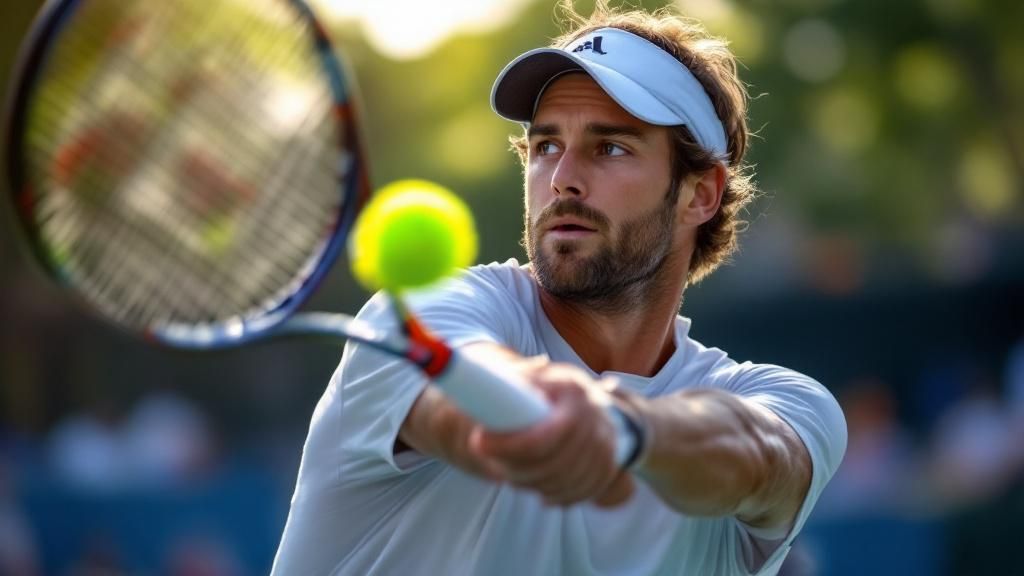
Tennis calls for dynamic strength, lightning-fast movements, and steadfast psychological fortitude—yet even the most skilled players face a formidable adversary: injury. From Roger Federer’s planned downtime to Serena Williams’ meticulous conditioning routines, elite professionals have mastered the science of protective measures. This article explores the fundamental methods these champions employ to preserve competitive edge whilst protecting their physiques. Discover the scientifically-backed strategies, exercise programmes, and recovery methods that set top players apart, enabling sustained competitive success at tennis’s highest echelons.
Active Warm-Up Routines and Movement Preparation
Elite tennis players understand that a comprehensive warm-up goes well past simple static stretching. Active preparation routines form the foundation of injury avoidance, conditioning muscles, joints, and the aerobic system for the rigorous physical demands ahead. Elite competitors implement structured routines that elevate heart rate progressively whilst engaging stabilising muscle groups essential to tennis movements. These protocols generally include low-intensity cardiovascular work, dynamic stretching, and sport-specific movements that mirror match conditions, ensuring the body shifts effectively from rest to competitive intensity.
Mobility work enhances dynamic warm-ups by resolving mobility limitations and muscular imbalances. Tennis professionals invest significant effort to enhancing range of motion, especially in the shoulder, hip, and ankle joints—areas subjected to extreme stress during play. Utilising foam rollers, mobility drills, and targeted stretching sequences, players systematically improve their movement capacity. This investment in mobility minimises compensatory movement patterns that frequently precipitate injury, whilst simultaneously enhancing shot effectiveness and court movement abilities.
Pre-Match Activation Routines
Pre-match warm-up sequences function as the final preparation stage before competitive play commences. Skilled performers utilise discipline-focused movements that mentally prepare them whilst physiologically priming their neuromuscular systems. These routines generally run for 15-20 minutes and feature incrementally challenging exercises, lateral shifts, and powerful efforts simulating game situations. By progressively raising exertion, players attain ideal activation states whilst enabling their physiology to reach peak performance readiness without premature fatigue accumulation.
Tennis-specific activation encompasses side-to-side motion, rapid acceleration, and rotational exercises that engage the core muscles essential for injury prevention. Players execute shadow boxing movements, shuttle sprints, and agility ladder work to engage fast-twitch muscles and improve movement patterns. This strategic approach guarantees that muscles, tendons, and proprioceptive systems work effectively from the start of play, significantly reducing risk of injury during the critical early match stages when players are most vulnerable to acute trauma.
Court-Specific Movement Preparation
Court-specific warm-up design tailors training sequences to the specific requirements of playing surfaces and competitive environments. Professional athletes modify their movement patterns according to court type—clay courts demand varied activation strategies than hard courts, whilst grass requires enhanced lateral stability. This surface-specific preparation ensures maximum muscular readiness and movement patterns for the relevant playing surface. Coaches and athletes collaboratively design routines that mitigate surface-specific injury risks, optimising competitive output whilst reducing susceptibility to injuries linked to varying surface types.
Environmental factors significantly influence preparation strategies utilised by elite professionals. Temperature, humidity, and court conditions demand individualised preparation adaptations to sustain optimal muscle elasticity and synovial fluid distribution. Players monitor these variables rigorously, modifying intensity and duration in response. This adaptive approach demonstrates the complexity of modern injury prevention, wherein professionals recognise that fixed routines prove inadequate for managing the changing conditions encountered throughout professional competition. Such attention to detail exemplifies elite-standard performance.
- Perform side-to-side movements across the baseline for improved side-to-side balance.
- Execute explosive split-steps to activate stabilising muscles in the legs.
- Complete rotational lunges addressing core engagement and hip range of motion.
- Practise changes in direction simulating competitive match situations precisely.
- Conduct progressive intensity sprints building cardiovascular readiness systematically.
Strength Training and Physical Conditioning
Professional tennis players understand that robust muscular conditioning forms the foundation of injury prevention. Comprehensive resistance training schedules work on all key muscle areas, improving stability and durability throughout the body. By developing balanced musculature, players substantially lower the risk of chronic overuse damage and sharp impact injuries. Elite competitors commit extensive hours to periodised strength protocols, guaranteeing consistent progression whilst preserving optimal performance during competitive seasons.
Modern tennis requires explosive movements and rapid directional changes, necessitating sport-specific strength development. Players incorporate strength training exercises, plyometric exercises, and functional movements that simulate competition requirements. This focused method conditions supporting muscles often overlooked in conventional training methods. Therefore, players gain improved movement efficiency, enhanced power generation, and significantly reduced injury risk, permitting them to compete at elite levels throughout extended seasons.
Essential Core Strength Development
The core musculature represents the kinetic chain’s focal point, controlling force transfer between upper and lower body segments. Professional players prioritise core stability through targeted exercises including plank holds, rotation work, and anti-rotation exercises. A fortified core enhances balance, reduces spinal stress, and improves serve and groundstroke mechanics. Tennis-specific core training directly translates to reducing injuries, enabling players to execute powerful shots whilst preserving postural control and balance.
Comprehensive core conditioning transcends straightforward core exercises; elite players employ sophisticated stability protocols addressing the transverse abdominis, oblique muscles, and deep stabilisers. Dynamic core work executed on shifting platforms continues to stress proprioceptive systems. This integrated system fortifies the body’s central support structure, channelling forces efficiently throughout dynamic actions. Consequently, players achieve enhanced movement precision, decreased spinal stress, and improved sporting capability across challenging fixture lists.
Lower Body Resilience Building
Leg strength is closely linked to injury prevention in professional tennis, where explosive leg movements generate power for serves, baseline exchanges, and court coverage. Comprehensive leg conditioning programmes emphasise quadriceps, hamstrings, glutes, and calf musculature development. Players undertake progressive resistance training, unilateral movements, and sport-specific movements replicating match demands. This targeted strengthening safeguards lower limb joints from repetitive strain whilst improving mobility and control and athletic longevity.
Elite professionals acknowledge that well-rounded leg conditioning reduces movement compensation strategies that trigger injury. Single-limb movements, especially single-leg squats and lunges tackle strength imbalances across legs. Eccentric loading methods build muscular strength throughout the lengthening phase, essential for controlling quick changes in direction and decelerations. These advanced training approaches significantly decrease ACL injuries, meniscal injuries, and chronic joint conditions, enabling sustained competitive participation at elite competitive standards.
- Single-leg squats enhance one-sided strength and stability during movement
- Bulgarian split squats build quadriceps and glute strength efficiently
- Nordic hamstring curls strengthen back of the leg eccentric strength
- Lateral lunges target inner thigh muscles and enhance side-to-side control
- Calf raises build ankle strength and propulsive force generation
Rehabilitation Strategies and Ongoing Injury Treatment
Elite tennis professionals acknowledge that recovery is equally important as training itself. Planned recovery days, paired with focused rehabilitation sessions, permit the body to heal small muscle tears and strengthen more resilient muscle tissue. Leading competitors utilise planned periodisation cycles across the season, alternating between high-intensity competition phases and planned recovery periods. This strategy minimises accumulated tiredness and maintains top physical form whilst reducing injury potential throughout key competitive phases.
Extended injury handling requires a comprehensive, multi-specialist approach engaging physiotherapists, sports medicine specialists, and strength coaches. Professional players assess biomarkers, utilise advanced imaging technology, and maintain detailed injury logs to recognise patterns and vulnerabilities. By addressing biomechanical underlying issues proactively rather than reactively, elite athletes extend their careers substantially. Regular dialogue between healthcare teams and players ensures tailored rehabilitation protocols that evolve with specific needs and competition schedules.
- Deploy ice baths and cryotherapy right after intense matches
- Schedule regular deep tissue massage sessions weekly across the season
- Utilise elevation and compression therapy to decrease inflammation successfully
- Preserve proper sleep hygiene with eight to ten hours of sleep per night
- Include recovery days with active work featuring stretching and swimming
