
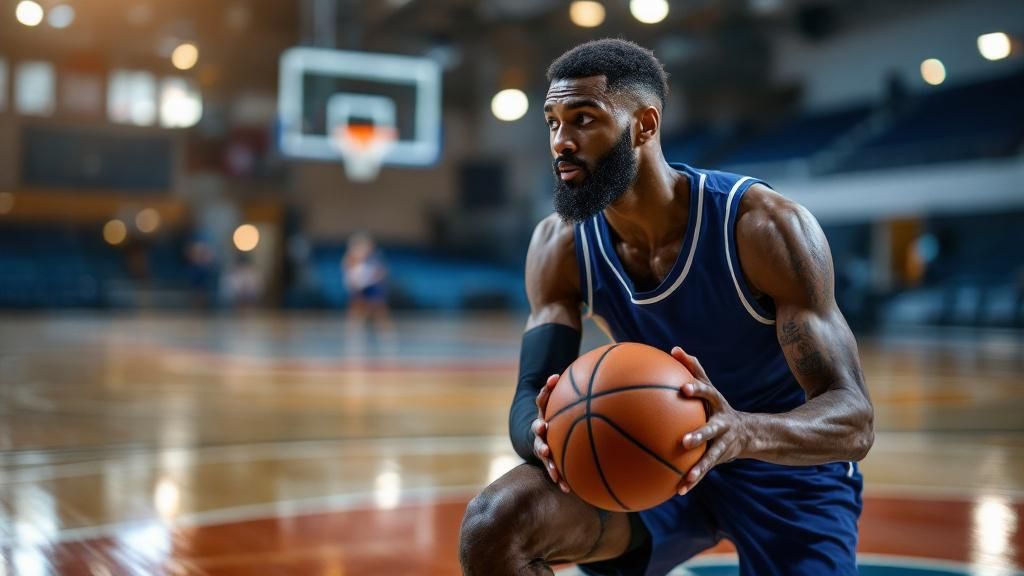
Professional basketball requires significant physical demands on athletes’ bodies, yet many players end their careers prematurely due to avoidable injuries. From elite NBA stars to emerging talents, understanding and implementing robust injury prevention strategies has become paramount to sustained careers in professional basketball. This article examines evidence-based methods—including strength training, flexibility work, and recovery strategies—that enable players to safeguard their health and prolong their playing careers. Discover how focusing on injury prevention transforms careers and maximises athletes’ earning potential and legacy.
Critical Role of Injury Prevention in Elite Basketball
Professional basketball stands as one of sport’s most athletically rigorous disciplines, requiring explosive movements, rapid directional changes, and sustained high-intensity performance. The repetitive nature of training, combined with the competitive pressure of matches, places considerable strain on players’ bodies and joints. Injuries incurred throughout a playing career can substantially reduce earning potential, reduce playing time, and ultimately cut short what might otherwise be a rewarding career span. Consequently, implementing thorough injury prevention programmes has become essential for extending playing careers and maintaining peak athletic performance throughout a player’s professional journey.
The monetary consequences of career-ending or career-limiting injuries cannot be overstated within elite basketball. Players who preserve their fitness throughout their careers usually command significantly higher across their careers compared to those hampered by injury. Beyond financial concerns, proactive health programmes permit competitors to perform at peak capacity, add substantively to their teams, and build lasting legacies. Clubs increasingly recognise that investing in injury prevention programmes generates substantial benefits, decreasing medical expenditure whilst concurrently boosting team performance and player satisfaction.
Modern sports science has proven conclusively that proactive injury prevention delivers improved performance compared to reactive treatment approaches. Players who embrace conditioning protocols mobility work and recovery methodologies experience fewer injuries and maintain excellent physical fitness. This scientifically-grounded strategy has fundamentally transformed professional basketball, encouraging organisations to prioritise preventative measures. Understanding the causes of typical basketball injuries—including ankle sprains, knee ligament damage, and shoulder impingements—enables targeted interventions that significantly lower occurrence rates.
The emotional benefits associated with injury prevention strategies surpass physical wellbeing. Players who demonstrate confidence in their training readiness exhibit improved emotional durability, enhanced focus during competition, and increased contentment with their working life. Conversely, athletes burdened by repeated injuries often experience anxiety, reduced self-belief, and decreased pleasure of the sport. By focusing on injury prevention, players build both physical robustness and mental strength, creating a solid base for prolonged, successful professional careers.
Organisational culture significantly influences injury prevention effectiveness within professional basketball teams. Clubs that emphasise preventative measures, allocate adequate recuperation periods, and support player wellness initiatives routinely achieve lower injury rates and enhanced performance metrics. Progressive organisations acknowledge that thorough prevention strategies function as capital outlays rather than expenses, generating returns through decreased treatment expenses, improved player availability, and improved competitive outcomes. This cultural transformation has profoundly altered professional basketball.
The competitive landscape of modern professional basketball increasingly benefits organisations prioritising injury prevention excellence. Teams implementing sophisticated monitoring systems, personalised conditioning programmes, and evidence-based recovery protocols gain substantial competitive advantages. Players in such settings generally experience extended careers, perform at higher levels, and achieve greater career satisfaction. As injury prevention approaches keep evolving, organisations embracing these innovations establish themselves favourably in the increasingly competitive professional basketball landscape.
Core Injury Avoidance Strategies
Implementing extensive injury prevention strategies represents one of the most effective methods for extending professional basketball careers. Modern sports science has demonstrated that preventative measures significantly reduce the incidence of typical injuries in basketball, including ankle sprains, ligament injuries to the knee, and shoulder impingement. Teams investing in structured prevention programmes witness reduced game absences, better on-court performance, and greater team consistency. These research-backed approaches form the cornerstone of current best practices in athletic care.
The leading basketball teams prioritise injury prevention as with the same focus as they do skill development and tactical training. By embedding prevention protocols within training schedules, players build resilience and body awareness that translates directly into longevity. Research consistently shows that athletes undertaking comprehensive prevention programmes suffer substantially reduced career-threatening injuries. This focus on preventative measures ultimately preserves players’ sustained wellbeing whilst maximising their professional value and competitive output.
Strength and Conditioning Programmes
Structured strength and conditioning programmes form the cornerstone of efficient injury mitigation in elite basketball. These scientifically designed regimens focus on enhancing muscular stability, improving joint integrity, and developing functional movement patterns aligned with basketball-specific requirements. Well-designed programmes address each player’s particular weaknesses, prior injury background, and positional requirements. Continuous monitoring and programme adjustments ensure athletes maintain maximum physical fitness throughout demanding seasons whilst minimising injury risk.
Elite basketball schemes utilise specialised conditioning specialists who customise conditioning work to each player’s unique needs and circumstances. These professionals utilise sophisticated assessment methods to identify biomechanical deficiencies and muscular imbalances that increase injury risk. Progressive loading, proper exercise technique, and adequate recovery integration ensure long-term athletic progression. When executed correctly, strength conditioning improves sporting capability whilst simultaneously delivering protective effects that extend careers significantly.
- Develop core stability through specific abdominal and lumbar strengthening exercises
- Increase ankle support through proprioceptive work and balance work
- Condition knee supporting muscles to reduce ligament damage reliably
- Develop shoulder stability through rotator cuff and scapular strengthening
- Optimise movement efficiency mechanics specific to basketball
Extended Professional Advantages and Rehabilitation Procedures
Prolonged Gaming Longevity By Means Of Preventative Steps
Implementing thorough injury prevention strategies substantially lengthens professional basketball careers, allowing players to preserve optimal performance capacity throughout their playing years. Athletes who focus on preventive conditioning, mobility work, and recovery protocols exhibit notable playing longevity compared to those disregarding such approaches. By tackling prospective weaknesses before injuries occur, players safeguard their physical capital and optimise their income prospects. This proactive approach transforms careers, enabling athletes to perform at professional standards well into their thirties, considerably raising lifetime earnings and professional achievements whilst minimising recovery periods.
The financial implications of prolonged playing careers cannot be overstated, as each extra year represents considerable salary payments and sponsorship prospects. Players who remain injury-free command higher salaries, sign lengthy deals, and gain high-value commercial partnerships. Outside financial factors, longevity allows athletes to establish mentoring positions, contribute meaningfully in organisational performance, and establish lasting legacies. Therefore injury prevention represents an dedication towards both short-term financial stability and long-term professional sustainability, proving that injury-aware professionals eventually attain higher levels of fulfilment and accomplishment.
Comprehensive Rehabilitation Frameworks and Medical Support Systems
Modern elite basketball teams utilise advanced recovery systems combining cutting-edge technology, personalised medicine, and scientifically-supported recovery methods. These systems include cold therapy treatment, hyperbaric oxygen chambers, advanced physiotherapy, and movement assessment, all intended to enhance athlete recovery between competitions. Customised recovery plans address the specific physical needs of individual athletes, ensuring optimal preparation for upcoming games. By integrating specialist sports knowledge with clinical oversight, teams create extensive care frameworks that identify early warning signs of overtraining or developing physical problems, enabling prompt action before conditions deteriorate into career-threatening damage.
Routine medical evaluations, including sophisticated scanning technology and biomechanical evaluation, permit clinical teams to detect slight structural imbalances or physical weaknesses ahead of injury occurrence. Collaborative approaches among strength and conditioning professionals, physiotherapists, sports physicians, and nutrition experts guarantee holistic athlete care covering physiological, cognitive, and nutritional elements. This integrated approach allows personalised injury prevention strategies matched to specific injury risk patterns. Therefore, players gain from research-backed direction enhancing athletic output whilst lowering injury probability, fundamentally transforming how professional hoops franchises handle player wellbeing and career longevity.
Creating Sustainable Athletic Practices for Career Longevity
Developing long-lasting athletic habits during early career stages establishes foundations for long-term health and performance maintenance. Players who regularly participate in structured conditioning, flexibility routines, and recovery practices cultivate resilience against injury-related setbacks. These habits develop into established lifestyle practices rather than short-term solutions, ensuring consistent application throughout careers. Educational initiatives informing athletes of injury prevention importance, alongside organisational support systems, encourage adoption of wellness-focused practices. When athletes recognise the clear link between injury prevention and career durability, they demonstrate greater commitment to adopting thorough health and fitness approaches, ultimately attaining better sustained results.
Guidance provided by experienced athletes who successfully extended careers via injury management generates significant cultural changes across organisations, normalising health-conscious approaches amongst younger athletes. Exchanging insights regarding recovery benefits, effectiveness of preventative strategies, and outcomes of career extension inspires emerging players to place emphasis on injury management from the start of their careers. Organisational cultures prioritising athlete health over short-term performance gains create settings in which athletes actively engage in preventative practices. This cultural shift, paired with accessible recovery resources and medical knowledge, creates ideal circumstances for athletes to maintain long, successful careers whilst maintaining physical health and professional satisfaction.
